Course Overview
By completing this qualification, learners will meet industry requirements to plan, adapt and deliver exercise and physical activity sessions and programmes (within scope of practice) to meet the needs of adults with long-term health conditions, Older Adults, Disability and Impairments, Perinatal and Menopause.
This qualification is a population specialism. This means it is designed to support existing exercise and fitness instructors to expand their scope of practice to work with adults from specialist populations (Long-term health conditions, Older Adults, Disability and Impairments, Perinatal and Menopause).
Learners will cover the following content:
Long Term Conditions
- The role of physical activity and exercise in the prevention and management of long-term health conditions
- Programming, adapting and delivering exercise for adults with long-term health conditions.
Menopause
- Understand the stages of menopause and effects of declining hormones and the risks to health.
- Be able to programme and adapt exercise sessions and programmes to meet the needs of individuals at different stages of menopause (within scope of practice)
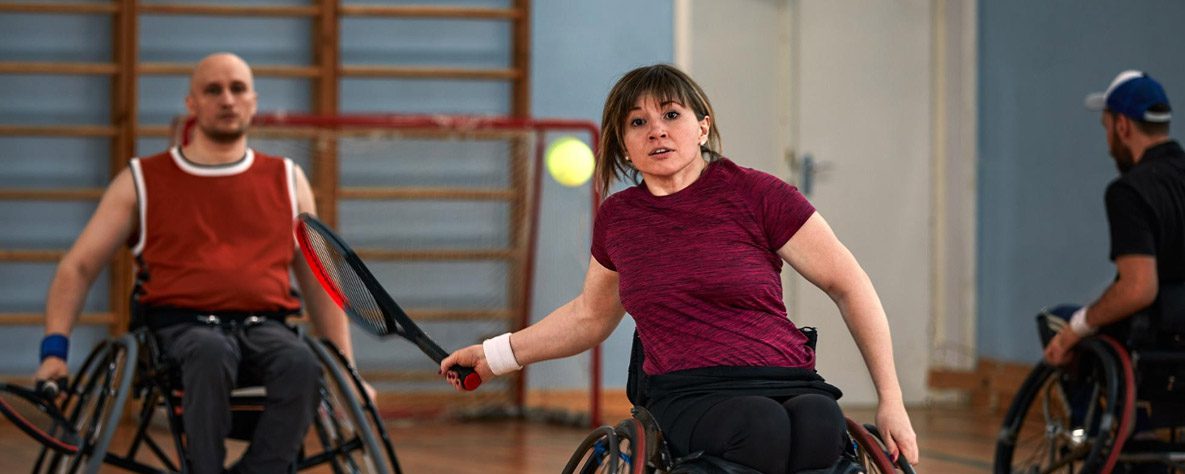
Disability and Impairment
- Understand the importance of inclusive working and its effects on participation in physical activity.
- Recognise the benefits of physical activity and exercise for individuals with disabilities and impairments.
- Plan and adapt exercise and physical activities for individuals with disabilities and impairments.
- Screen, assess and deliver inclusive exercise sessions for individuals with disabilities and impairments.
- Understand the principles of safeguarding adults and adults at risk.
- Recognise the importance of safeguarding policies in organisations and the impact of legislation on these policies.
- Identify and respond to potential indicators of abuse and poor practice. Manage risks in safeguarding adults and adults at risk within their own role
Older Adults
- Gain understanding of ageing and its effects, as well as healthy ageing practices.
- Become familiar with the risks and contraindications to exercise in older adults.
- Understand the guidelines for best practice when delivering physical activity and exercise to older adults.
- Screen and assess older adults prior to participation in physical activity and exercise.
- Develop skills to plan, deliver exercise programmes tailored to older adults.
- Review planned exercise programmes, adapting as necessary.
Perinatal
- Understand the anatomical, physiological, and biomechanical changes that occur during pregnancy and postnatal period
- Understand the nutritional requirements for antenatal and postnatal participants
- Understand the benefits of physical activity for antenatal and postnatal participants
- Understand the maternity care pathway
- Understand the scope of practice and evidence-based guidelines for working with antenatal and postnatal participants
- Understand the relative and absolute contraindications to physical activity for antenatal and postnatal participants
- Plan safe, inclusive, and effective physical activity and exercise programs for antenatal and postnatal participants
- Deliver and review exercise sessions for antenatal and postnatal participants. Manage risk in antenatal and postnatal physical activity sessions
Hold an appropriate sport/exercise or fitness occupation entry qualification mapped to a CIMSPA professional standard:
- gym instructor
- core group exercise instructor
- personal trainer
- Pilates matwork instructor
- strength and conditioning (trainer)
- Are able to communicate effectively with individuals and groups.
In order to have developed teaching skills and confidence, it is recommended that learners have at least six months’ experience planning and delivering exercise sessions before taking this qualification.
This course will be delivered as a combination of in person (on campus) and remote (online) learning.
The in-person delivery is on a Thursday 9:30am-3pm.